Three proof thermal paper is a label material that achieves waterproof, oil proof, and alcohol proof functions through a special material combination. Its core value lies in its ability to maintain information in harsh environments. This type of material usually consists of a three-layer structure of thermal sensitive coating, substrate, and adhesive, achieving protective effects through the synergistic effect of each layer.
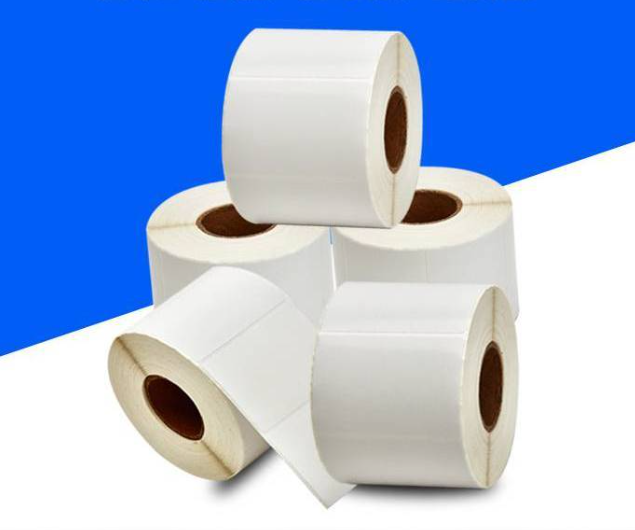
From the perspective of material principles, the chemical stability of thermosensitive coatings is crucial. Traditional thermal paper may have blurred handwriting when exposed to water or oil, while three proof products add polymer resins and other components to the coating to form a dense protective layer. This structure can block liquid penetration, and the color developing agent in the coating has been specially treated to maintain stable color development below 60 ℃. When choosing copperplate paper or synthetic paper as the substrate, its fiber structure or polymer matrix itself has impermeability, forming a dual barrier with the protective coating.
The evaluation of the ‘three defenses’ performance in the industry mainly focuses on three dimensions: coating chemical resistance, substrate elongation, and adhesive stability. A 34% elongation rate means that the material can withstand some deformation without breaking, and a tensile strength of 100 units ensures that the label is not easily torn during the logistics process. The use of UV printing technology enhances the durability of patterns, and this curing method is more resistant to solvent erosion than traditional inks.
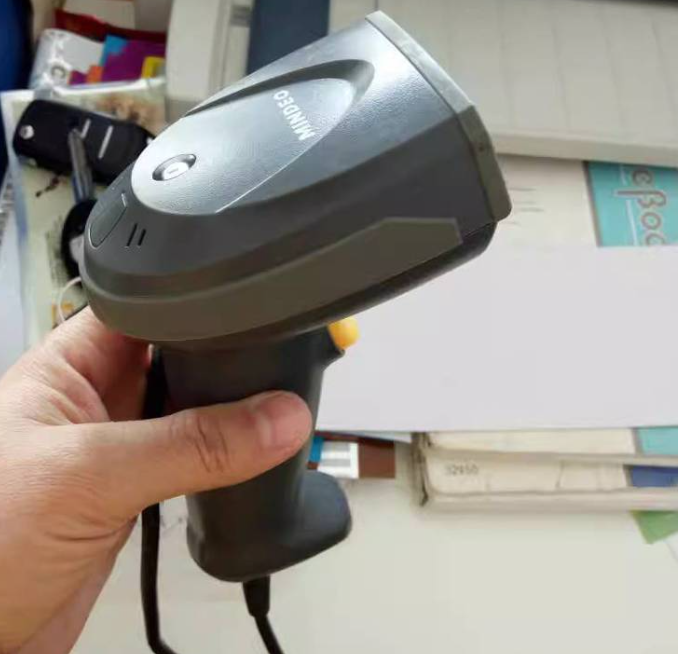
In practical scenarios such as logistics and freight transportation, three proof thermal paper needs to simultaneously cope with mechanical wear and temperature and humidity changes. The design of the grid pattern base paper is convenient for die-cutting processing, while the thickness of 0.254mm balances the requirements for adhesive convenience and durability. It is worth noting that the upper temperature limit of 60 ℃ suggests that this type of material is more suitable for normal temperature logistics environments, and more professional industrial grade labeling solutions need to be considered for ultra-high temperature scenarios.